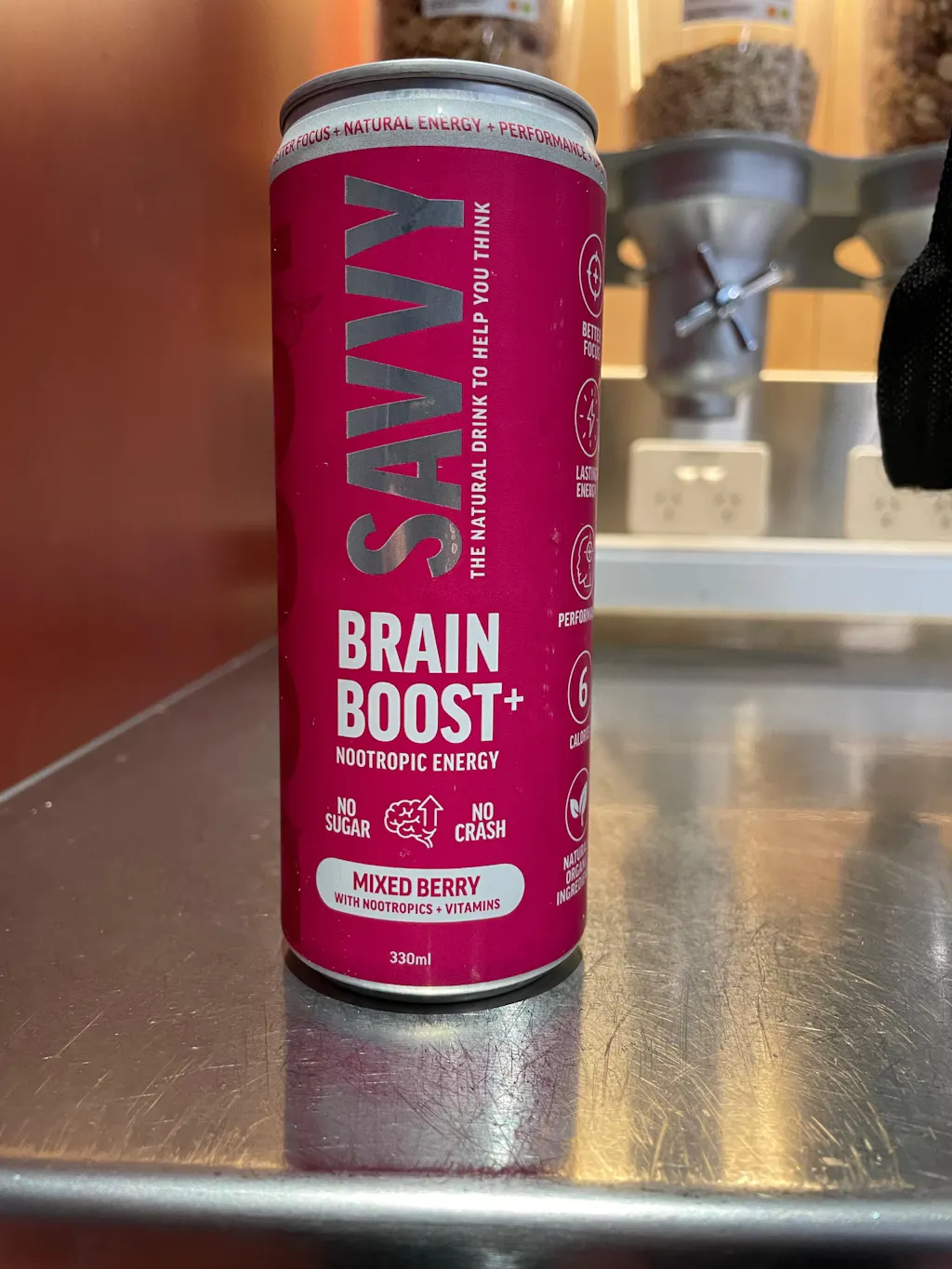
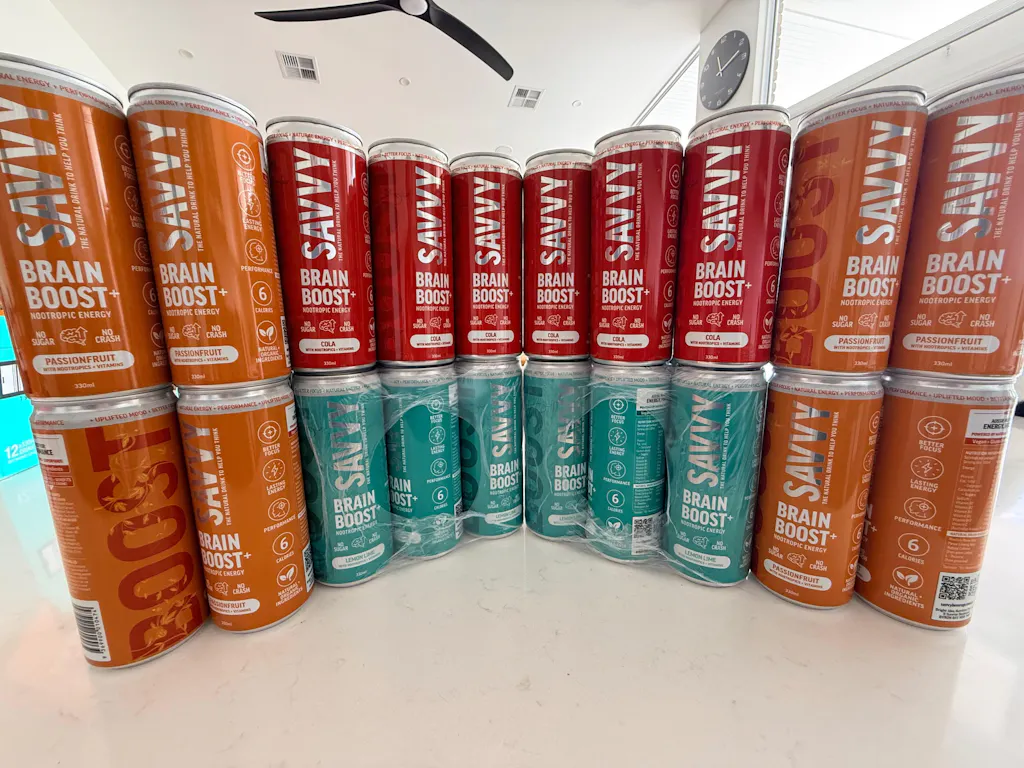
Turmeric (Curcuma Longa) is known for its many health benefits. It has been used in India for thousands of years as a spice and medicinal herb. Many high-quality studies show the major health benefits for the body and brain of turmeric.
Turmeric contains several major constituents known as curcuminoids, the most active ingredient being Curcumin. It has powerful anti-inflammatory effects and is a very strong antioxidant.
Unfortunately, curcumin is poorly absorbed into the bloodstream. It helps to consume black pepper with it, which contains piperine... a natural substance that enhances the absorption of curcumin by 2000% - which Savvy has done for you!
|
Turmeric & Curcumin Fast Facts
|
-
Powerful Anti-Inflammatory: Natural anti-inflammatory supporting joint health and reducing chronic inflammation.
-
Rich in Antioxidants: Curcumin helps combat oxidative stress, protecting cells and promoting overall wellness.
-
Boosts Brain Health: Enhances Brain function by increasing brain-derived neurotrophic factor, potentially reducing the risk of Alzheimer's.
-
Heart and Cancer Support: Improves heart health by supporting blood vessel function and may inhibit cancer cell growth.
-
Low Bioavailability: To maximize absorption, pair turmeric with black pepper (piperine) or healthy fats.
|
Amount used: 125mg of certified organic Premium Grade
Active ingredient: 5% Curcuminoids
Why: Many people do not get turmeric in their diet and we wanted to ensure that only the highest quality turmeric was used for Savvy. Turmeric and Curcumin paired with black pepper extract has been known to help people be protected from stress and unstable mood, as well as being an excellent antioxidant and anti-inflammation herb.

Turmeric is more than just a spice! Beyond its medicinal benefits, it serves as a natural dye, skincare powerhouse, pet health booster, artistic medium, and even an insect repellent.
Main benefits for Savvy:
- Turmeric is an anti-inflammatory and antioxidant
- Turmeric has benefits against depression and improves brain function

To make it easy to identify all the different studies - we will highlight them for you!
We really hope you enjoy our many years of research when formulating Savvy...
 Turmeric is an anti-inflammatory and antioxidant
It is known that chronic, low-level inflammation plays a major role in almost every chronic, Western disease. Also, oxidative damage is believed to be one of the mechanisms behind aging and many diseases. Therefore, anything that can help fight chronic inflammation and oxidation is of potential importance in preventing and even treating these diseases.
Scientific sources:
Ghosh, S. et al. ‘The beneficial role of curcumin on inflammation, diabetes and neurodegenerative disease: A recent update’ in Food and Chemical Toxicology, Volume 83, September 2015, pp 111 - 124. [Link]
“More than 7000 published articles have shed light on the various aspects of curcumin including its antioxidant, hypoglycemic, anti-inflammatory and anti-cancer activities.”
Sri, S, et al, ‘Chapter 2.15 - Curcumin-Based Food Supplements: Challenges and Future Prospects’ in Nonvitamin and Nonmineral Nutritional Supplements, Academic Press, 2019, pp 119 - 128. [Link]
“Curcumin, derived from the rhizome of Curcuma longa, has been in use for medicinal and therapeutic purposes since Ayurvedic times. It possesses proven anticancer, antioxidative, hepatoprotective, and apoptotic properties and regulates transcription factors. In all, curcumin, besides its low bioavailability, has many promising effects and curcumin-based supplements are becoming important for preventing and/or treating a variety of medical conditions inflicting humans.”
Jurenka, JS. ‘Anti-inflammatory properties of curcumin, a major constituent of Curcuma longa: a review of preclinical and clinical research.’ in Alternative medicine review: a Journal of Clinical Therapeutic. Volume 14, Issue 2, June 2009, pp 141-153. [Link]
Chainani-Wu, N. ‘Safety and anti-inflammatory activity of curcumin: a component of turmeric (Curcuma longa).’ in Journal of Alternative and Complementary Medicine. Volume 9, Issue 1, February 2003, pp 161-168. [Link]
“Curcumin has been demonstrated to be safe in six human trials and has demonstrated anti-inflammatory activity.”
Fadus, M. et al. ‘Curcumin: An age-old anti-inflammatory and anti-neoplastic agent’ in Journal of Traditional and Complementary Medicine, Volume 7, Issue 3, July 2017, pp 339-346. [Link]
Aggarwal, B and Harikumar, K ‘Potential therapeutic effects of curcumin, the anti-inflammatory agent, against neurodegenerative, cardiovascular, pulmonary, metabolic, autoimmune and neoplastic diseases’ in The International Journal of Biochemistry and Cell Biology. Volume 41, Issue 1, January 2009, pp 40-59. [Link]
“For centuries it has been known that turmeric exhibits anti-inflammatory activity, but extensive research performed within the past two decades has shown that this activity of turmeric is due to curcumin (diferuloylmethane). This agent has been shown to regulate numerous transcription factors, cytokines, protein kinases, adhesion molecules, redox status, and enzymes that have been linked to inflammation. The process of inflammation has been shown to play a major role in most chronic illnesses, including neurodegenerative, cardiovascular, pulmonary, metabolic, autoimmune, and neoplastic diseases.”
EL-Kenawy, A., et al, ‘Chapter 3.43 - Turmeric or Curcuma longa Linn.’ in Nonvitamin and Nonmineral Nutritional Supplements, Academic Press, 2019, pp 447 - 453. [Link]
“Curcuma longa L. (of the Zingiberaceae family) is a commonly used spice throughout the world, found broadly throughout the Indian subcontinent. C. longa contains multiple active components that exhibit anti-inflammatory, antimicrobial, antioxidant, antifungal, antibacterial, antiviral, antiischemic, and antineoplastic properties.”
Aggarwal, B. and Sung, B. ‘Pharmacological basis for the role of curcumin in chronic diseases: an age-old spice with modern targets’ in Trends in Pharmacological Sciences. Volume 30, Issue 2, February 2009, pp 85-94. [Link]
“Extensive research within the past two decades has shown that curcumin mediates its anti-inflammatory effects through the downregulation of inflammatory transcription factors”
Gupta, SC. et al. ‘Multitargeting by turmeric, the golden spice: From kitchen to clinic.’ in Molecular Nutrition and Food Research. Volume 57, Issue 9, September 2013, pp 1510-1528. [Link]
“Cell-based studies have demonstrated the potential of turmeric as an antimicrobial, insecticidal, larvicidal, antimutagenic, radioprotector, and anticancer agent. Numerous animal studies have shown the potential of this spice against proinflammatory diseases, cancer, neurodegenerative diseases, depression, diabetes, obesity, and atherosclerosis. At the molecular level, this spice has been shown to modulate numerous cell-signaling pathways. In clinical trials, turmeric has shown efficacy against numerous human ailments including lupus nephritis, cancer, diabetes, irritable bowel syndrome, acne, and fibrosis. Thus, a spice originally common in the kitchen is now exhibiting activities in the clinic.”
Aggarwal, B. et al. ‘Curcumin-free turmeric exhibits anti-inflammatory and anticancer activities: Identification of novel components of turmeric.’ in Molecular Nutrition and Food Research. Volume 57, Issue 9, September 2013 pp 1529-1542. [Link]
“Turmeric, a dried powder derived from the rhizome of Curcuma longa, has been used for centuries in certain parts of the world and has been linked to numerous biological activities including antioxidant, anti-inflammatory, anticancer, antigrowth, anti-arthritic, anti-atherosclerotic, antidepressant, anti-aging, antidiabetic, antimicrobial, wound healing, and memory-enhancing activities.”
The above study indicates that while 5600 extensive studies on curcumin exist, turmeric alone has an enormous amount of benefit by itself. It also goes without saying that the combination in high-grade premium organic turmeric is going to have a much larger beneficial effect.

Turmeric has benefits against depression and improves brain function
Hurley, L. et al, ‘Antidepressant-like effects of curcumin in WKY rat model of depression is associated with an increase in hippocampal BDNF’ in Behavioural Brain Research, Volume 239, February 2013, pp 27-30. [Link]
“This data provides evidence for an antidepressant-like effect of curcumin, possibly through increased neurotrophic activity, in the WKY model of depression, and support the notion that curcumin may prove an effective and lasting natural antidepressant.”
Bhutani, M. et al. ‘Anti-depressant like effect of curcumin and its combination with piperine in unpredictable chronic stress-induced behavioral, biochemical and neurochemical changes’ in Pharmacology Biochemistry and Behavior, Volume 92, Issue 1, March 2009, pp 39-43. [Link]
“The combination of piperine...a bioavailability enhancer, with curcumin (...showed significant potentiation of its anti-immobility, neurotransmitter enhancing (serotonin and dopamine) and monoamine oxidase inhibitory (MAO-A) effects as compared to curcumin effect per se. This study provided a scientific rationale for the use of curcumin and its co-administration with piperine in the treatment of depressive disorders”
Bortolato, B, et al, ‘Cognitive remission: a novel objective for the treatment of major depression?’ in BMC medicine, Volume 14, Issue 9, January 2016. [Link]
“Several other novel agents may be repurposed as cognitive enhancers for MDD treatment, including minocycline, ..., acetyl-L-carnitine, alpha lipoic acid, omega-3 fatty acids, ..., curcumin... “
Gupta, SC. et al. ‘Multitargeting by turmeric, the golden spice: From kitchen to clinic.’ in Molecular Nutrition and Food Research. Volume 57, Issue 9, September 2013, pp 1510-1528. [Link]
“Cell-based studies have demonstrated the potential of turmeric as an antimicrobial, insecticidal, larvicidal, antimutagenic, radioprotector, and anticancer agent. Numerous animal studies have shown the potential of this spice against proinflammatory diseases, cancer, neurodegenerative diseases, depression, diabetes, obesity, and atherosclerosis. At the molecular level, this spice has been shown to modulate numerous cell-signaling pathways. In clinical trials, turmeric has shown efficacy against numerous human ailments including lupus nephritis, cancer, diabetes, irritable bowel syndrome, acne, and fibrosis. Thus, a spice originally common in the kitchen is now exhibiting activities in the clinic.”
Binder, D and Scharfman, H ‘Brain-derived Neurotrophic Factor’ in Growth Factors, Volume 22, Issue 3, September 2004, pp 123-131. [Link]
Xu, Y. et al. ‘Curcumin reverses the effects of chronic stress on behavior, the HPA axis, BDNF expression and phosphorylation of CREB’ in Brain Research. Volume 1122, Issue 1, November 2006, pp 56-64. [Link]
Belviranli, M. et al. ‘Curcumin improves spatial memory and decreases oxidative damage in aged female rats’ in Biogerontology, Volume 14, Issue 2, April 2013, pp 187-196. [Link]
“It may be concluded that, curcumin supplementation improves cognitive functions by decreasing the lipid peroxidation in brain tissue of aged female rats.”