
One of the best drinks i have come across with no jitters & no nasties. Very well worth it for sure!!
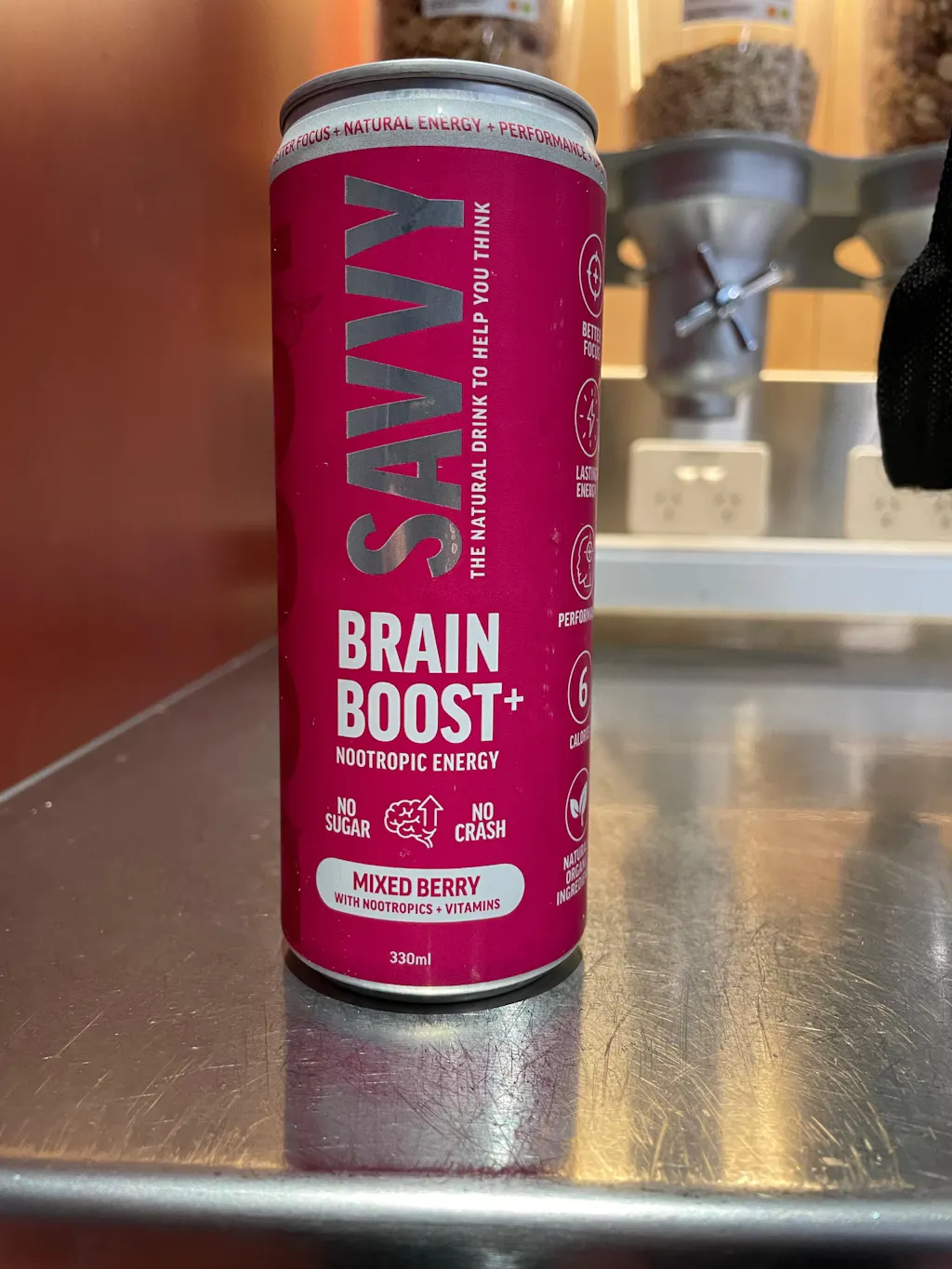
I love the mixed berry Brain Boost + Nootropic Drink & highly recommend it! I"m a scientist and it really helps me get through the work day. As an added bonus, it also improves my mood and tastes great as well.
Savvy is my genie in a bottle. It gives me clarity throughout the day and is brilliant when studying. Having been a subscriber for a while, I look forward to my delivery to help sustain my energy levels It tastes great, too!
Excellent product that works really well!
I absolutely love this drink. Healthy but also tastes fantastic. I’ve tried a lot of healthy drinks this is easily my favourite. I keep the fridge full and it keeps me away from odd high sugar drink I would to crave for time to time.
Savvy Green + Calm is part of the Savvy suite of products that make the day smoother. Suffering from PTSD and all the things that go with it, Savvy Green helps. I ran out and noticed the difference.
Savvy Beverages are honestly a game changer. The drinks are delicious, fresh, and you can really taste the quality. I love that they’re made with clean ingredients and actually make you feel good, not weighed down. Such an easy swap from the usual energy drinks — these guys have nailed it. Highly recommend.
Savvy is an excellent drink, it has a great taste and provide cognitive stimulation. However, the most impressive part of savvy is their culture of, understanding what their customers need and providing excellent customer service
Amazing bars, so clean, good for your gut and amazing service to go with it.
Savvy drinks are amazing!! They taste great and are good for you too! These drinks give me energy, clarity and a calm, happy feeling for the day. I'd highly recommend trying them for yourself!!!
The Savvy Calm+ Nootropics bars are so good! They taste like a delicious treat but they don't send my blood sugar roaring - I feel calm and happy after eating them. All good ingredients in there and so I know they're doing me good. They go so well with my hot drink at morning tea break and then I'm ready to go and do lots more work! A big help to my day - thanks Savvy!
I think these drinks are amazing but unfortunately I don’t like the passion fruit and the berry is ‘just ok’.
The lime/len however, is really nice - a real zing and fresh. I served it to friends with ice and a slice of lime in a highball and they thought they were drinking Gin and Tonic.
I think definitely worth a try as your taste may be different. The ‘calm’ sparkling is really nice too.
Higher quality and more fulfilling than most other brands on the market. I bought both the lemonade and the mixed berries flavours and loved every drop of the product. Quality ingredients, no fillers, no exaggeration. Will order again soon. Will get the passion fruit flavour this time. Thanks!
Great little snack ! Tastes great
We’ve been really impressed with Savvy in our vending machines. It’s refreshing to offer something that isn’t just another standard energy drink — you can tell people are genuinely looking for a cleaner option that helps with focus without the crash.
What’s been the most rewarding is seeing it consistently sell out each week. That repeat demand tells us everything — customers aren’t just trying it, they’re coming back for it. It’s become a staple in our machines and fits perfectly with the more premium, health-focused range we’re building.
Savvy is a core beverage product of ours. We also love addition of calm water. Thanks savvy team for all that you do.
Absolutely blown away by SAVVY Beverages 🙌
I recently ordered the cola, passionfruit, and lime drinks and they are honestly next level. The flavours are so refreshing and clean just smooth, crisp taste every time.
What I love most is how well they align with a health and fitness lifestyle. You get that little brain boost without feeling like you are compromising on your goals, which is a huge win.
Safe to say I will be buying these on repeat. Highly recommend if you are looking for a smarter alternative that actually tastes amazing 💯
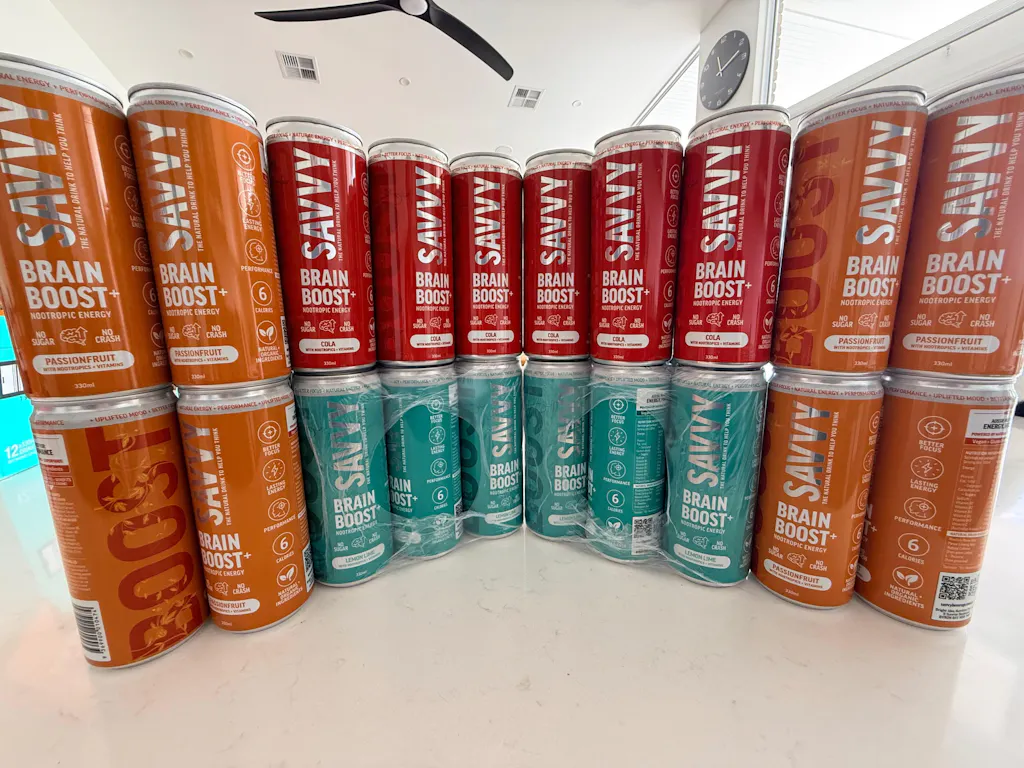
Excellent product, I would highly recommend.
wow these are good.. like nothing i have ever had before and you absolutely notice when you don't have it.. i'm on my 3rd order